
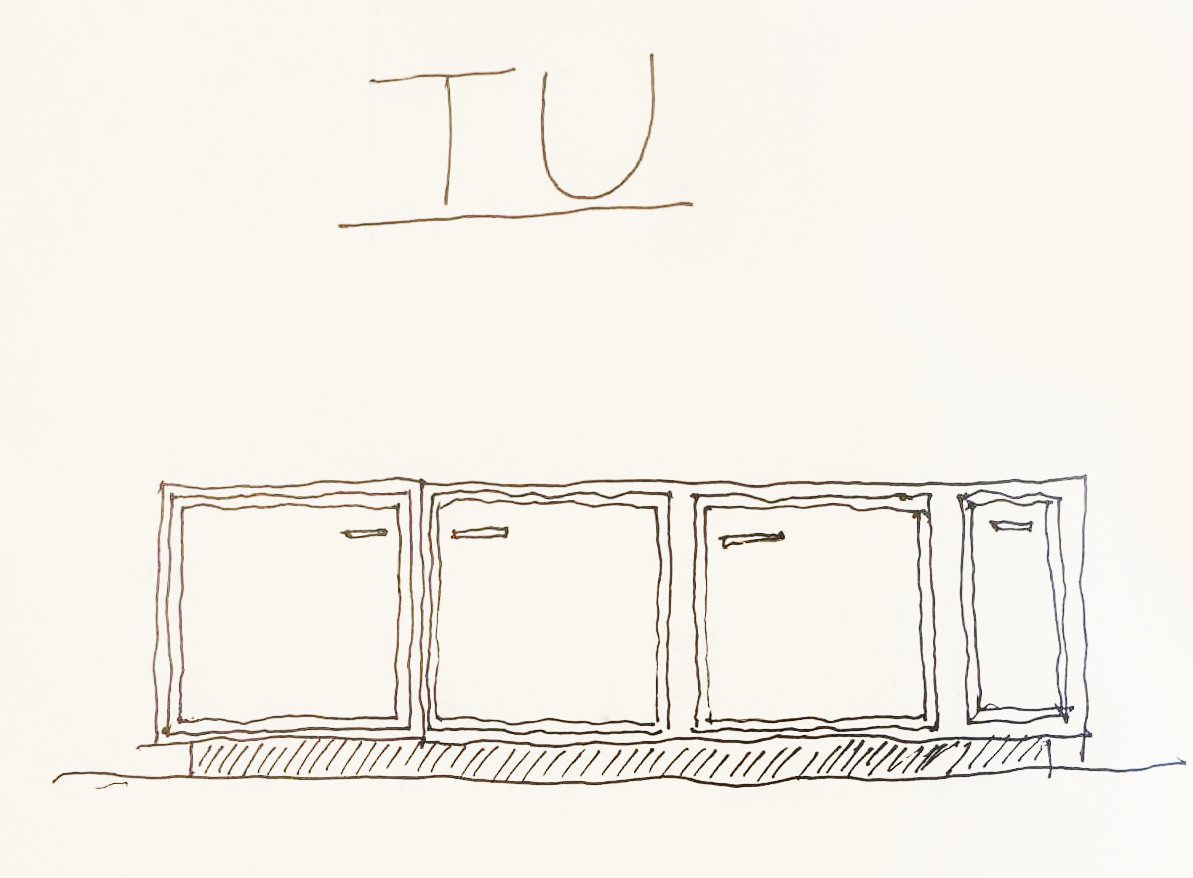
In 2026, on the occasion of Eurocucina – Salone del Mobile in Milan, Abimis will preview TU, the new kitchen designed by Alberto Torsello, a Venetian architect and designer who has for years partnered up with Abimis, the company that spawned the professional-grade domestic stainless steel kitchen brand.
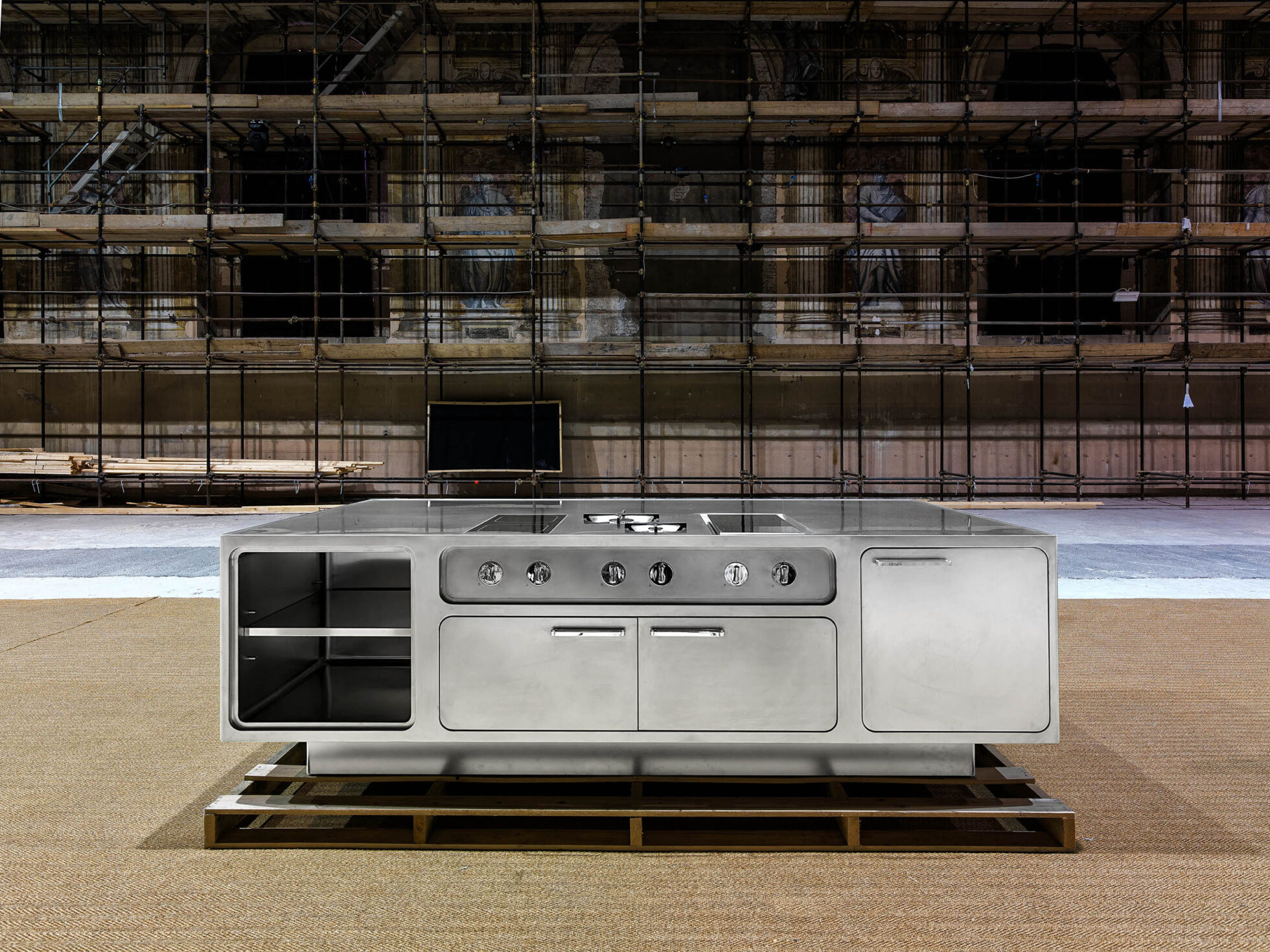
Torsello is also the designer of Ego, the first kitchen designed by Abimis, a project that, in 2013, marked a turning point in the world of stainless steel kitchens. It was an object born from a combined industrial and craft-based vision, capable of translating Prisma’s professional experience into an elegant and measured domestic language, with a design that remains one of a kind today.
With the new TU kitchen, Abimis returns to examining the relationship between form and function, between the quality of materials and attention to detail.
Alberto Torsello himself discusses this with us in a conversation that anticipates the new model’s début.
“When the Ego kitchen came out, we wanted to accommodate a precise market demand: to produce a stainless steel kitchen with a “domestic” design, but with professional qualities. Prisma, the parent company of the Abimis brand, had already developed an extraordinary constructive capability in shaping stainless steel, especially in curved details which – particularly in the naval sector, where Prisma has operated for decades – guarantee perfect hygiene and ease of cleaning. We started from there to design a kitchen that would challenge Abimis’s own competencies, while retaining the essential qualities of a professional-grade ‘cooking machine’.”
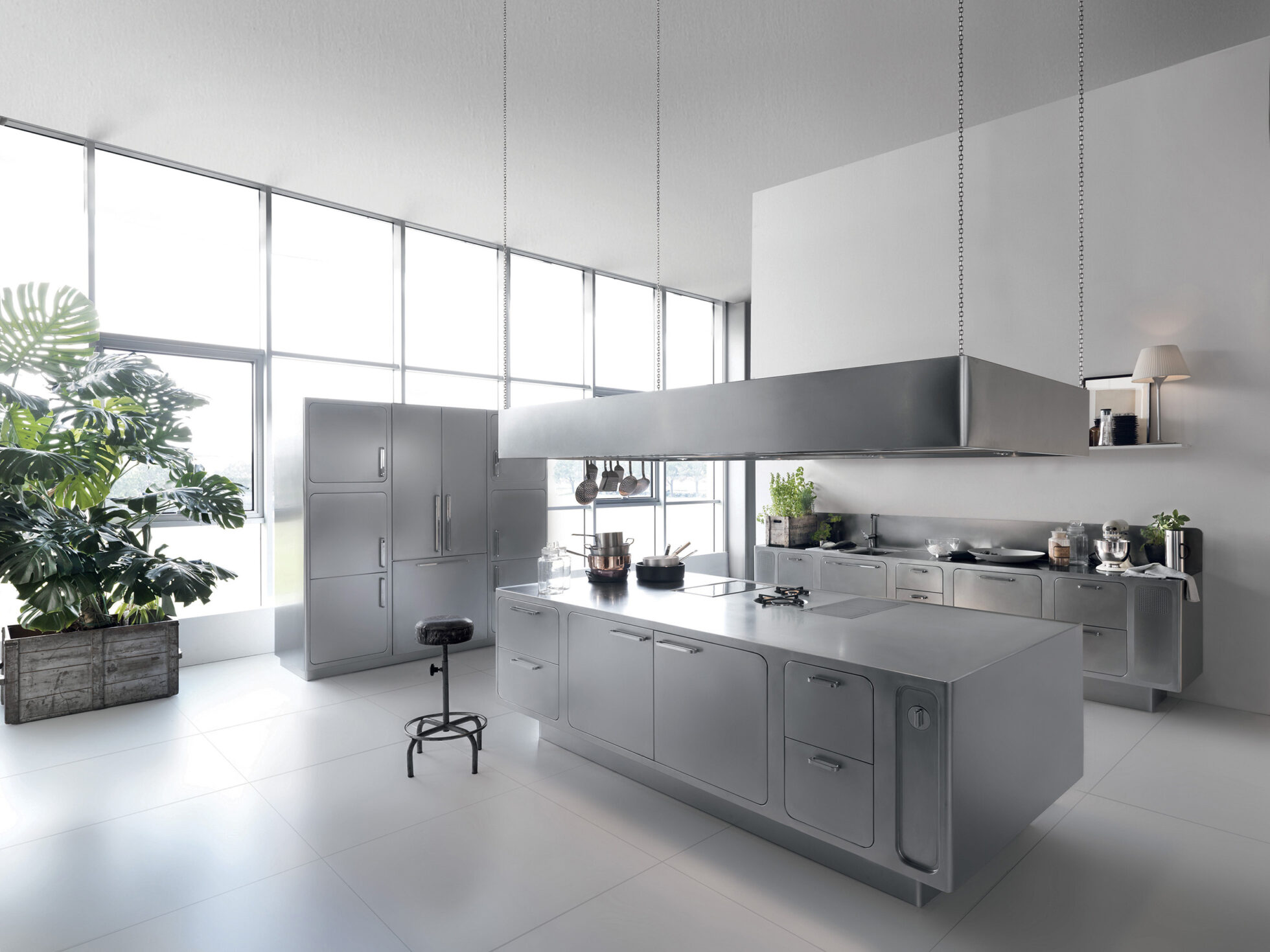
“Yes, the curve was both our obsession and our nightmare. But it wasn’t just a formal pursuit; it was a technical challenge. We had to reinvent everything – handles, hob knobs, hinges, worktop – so that the curve demonstrated the craftsman’s meticulous ‘care’, the ability to construct an object that is never identical to itself.”
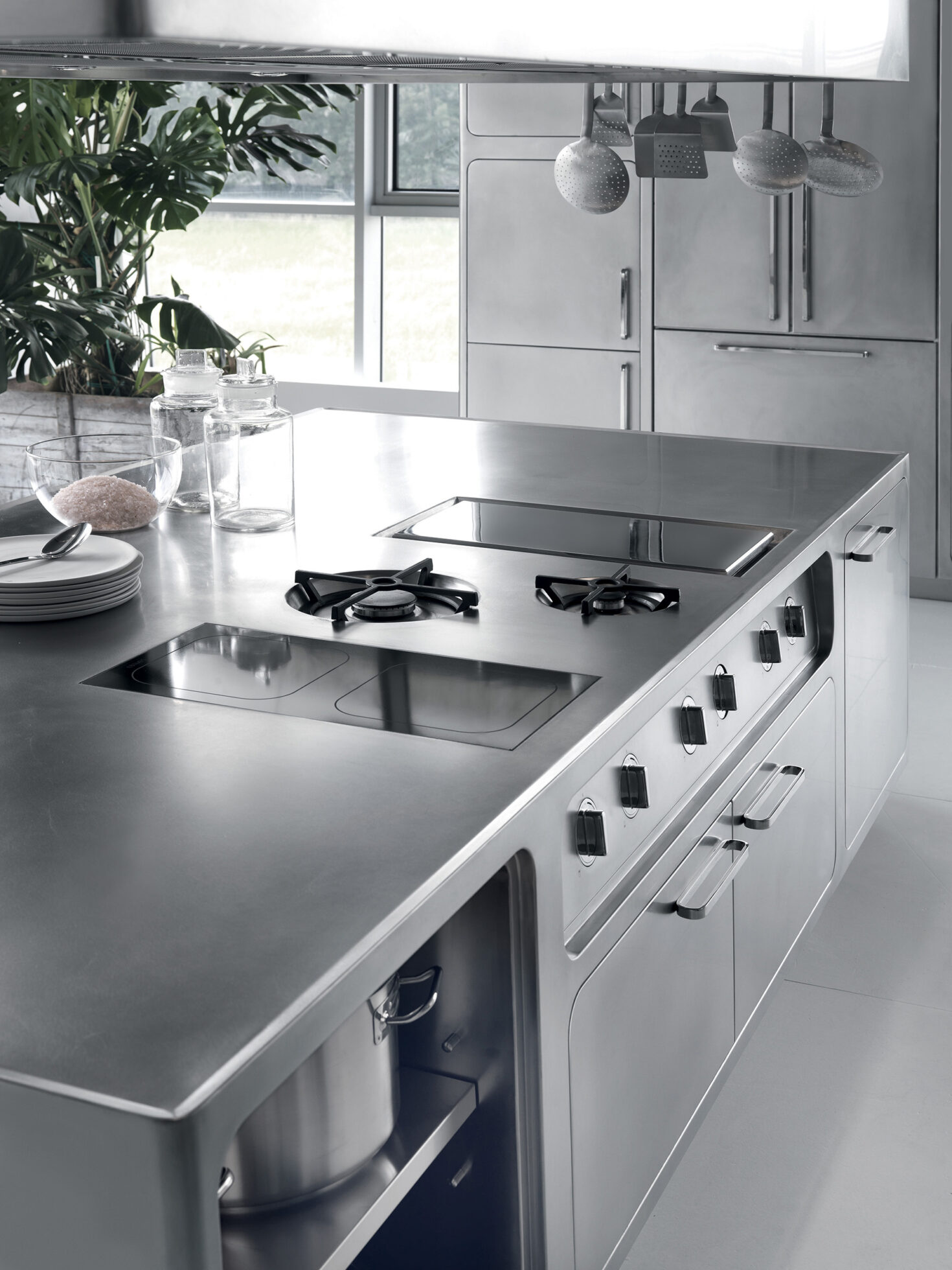
“Certainly. We wanted compartments capable of performing like professional elements: being able to keep a dish warm or cool the waste compartment to prevent unpleasant odours. It was complex to insert accessories, appliances and technology into a cabinet body which, by its nature, has rigid limitations. On one side, a stainless steel block; on the other, the need to accommodate increasingly sophisticated tools.”
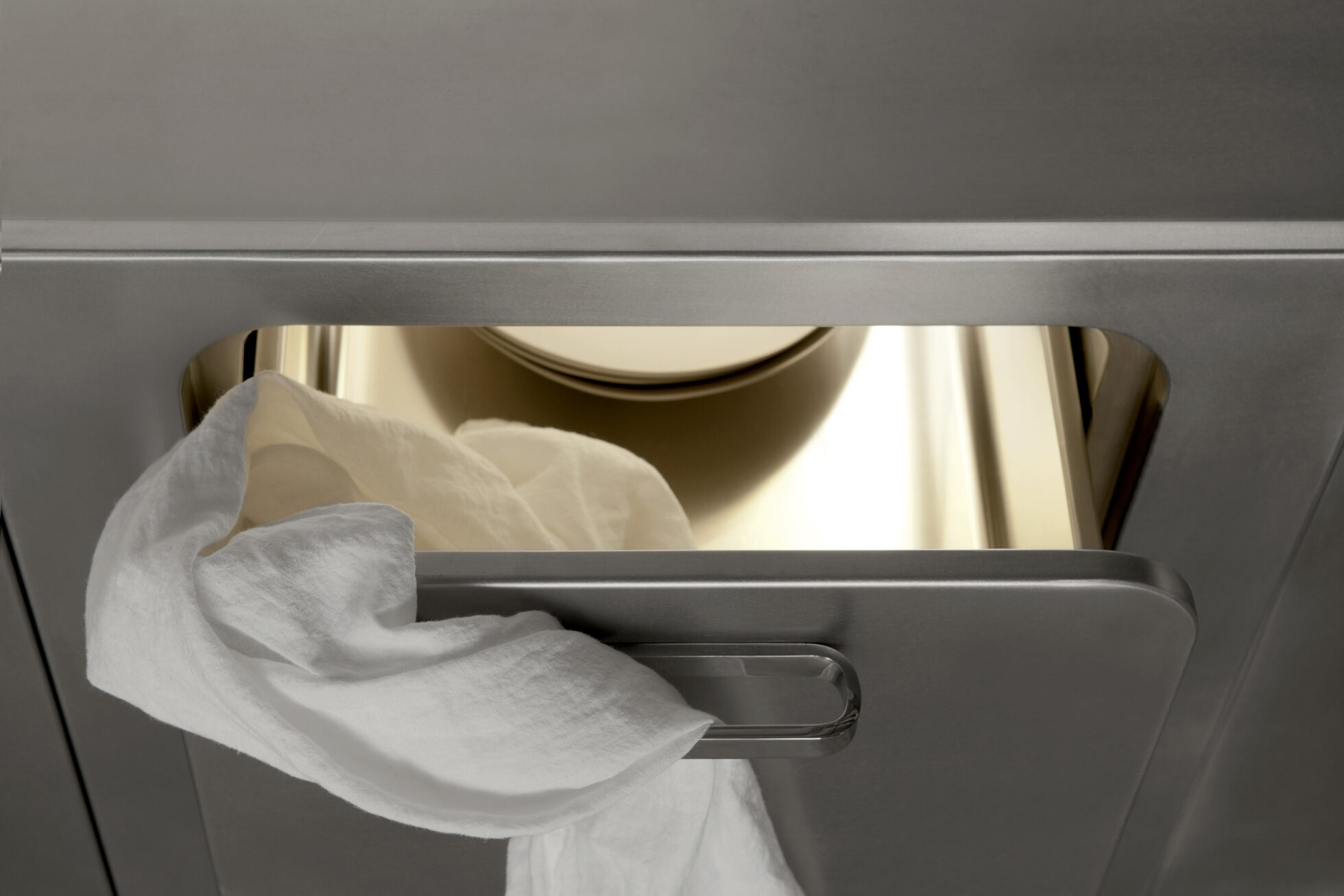
“With the same drive as back then, we asked ourselves how to relaunch Abimis’s competencies and, at the same time, how to integrate the best technologies available on the market. The curve, which protects the purity of the stainless steel, had to remain. But the exterior could evolve, becoming a new kitchen interface. That’s how we came up with TU.”
“The stainless steel block retains its archetypal characteristics, but the doors become the star features. They are no longer cut pieces of stainless steel, but folded and welded. Light is captured, reflected, controlled. It is an evolution of the species.
We do not chase trends: TU originates from a usage requirement and a refinement of functional aesthetics. Design is the tool for shaping matter. Without ‘in-formation’, matter does not exist.
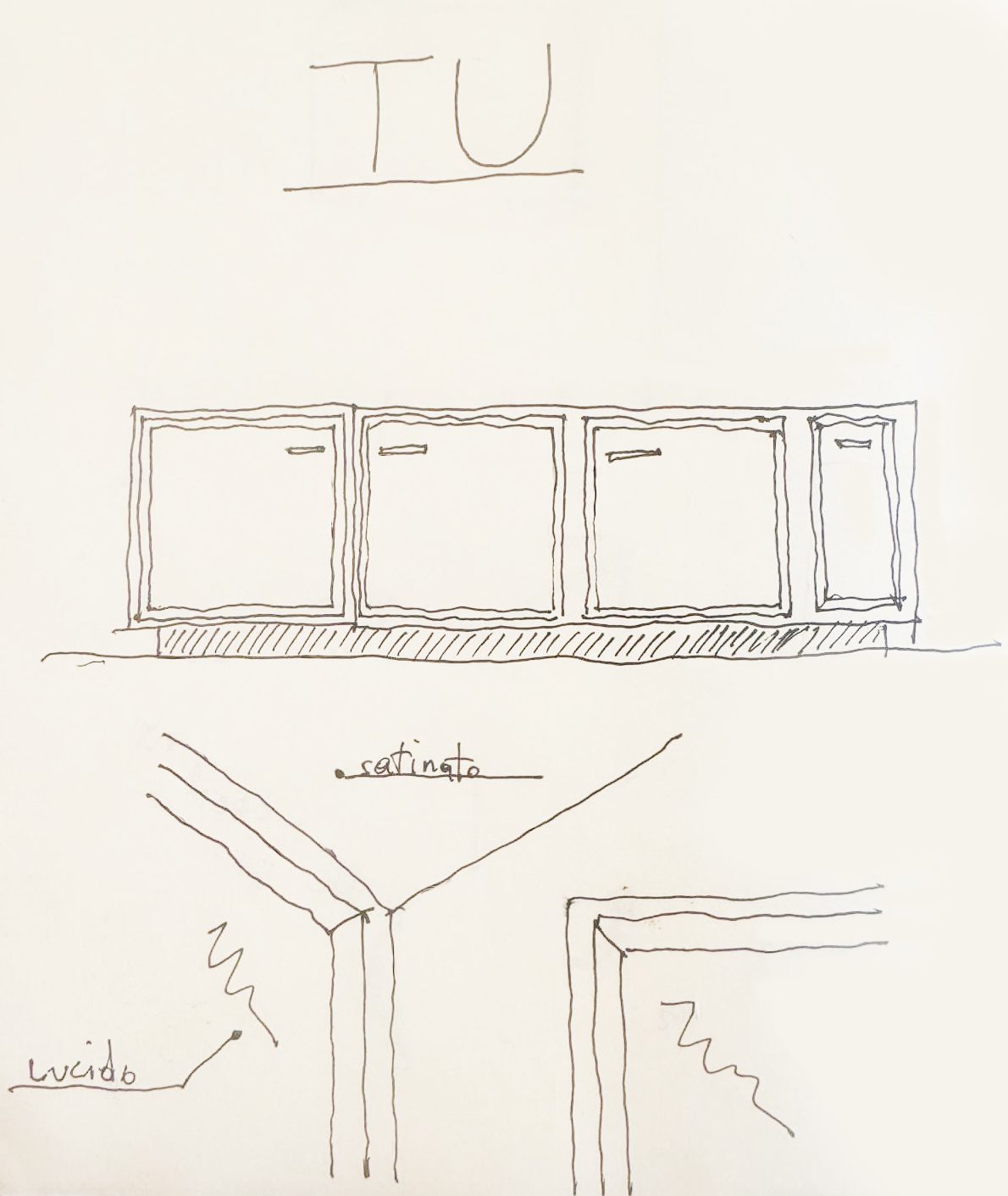
“The forged folding opens up new horizons, amplified by the surface treatment: it frames, multiplies, sculpts. Thanks to technè, a fruitful dialogue is created between designer and workshop. The designer finds vital energy in the forge of Vulcan, the divine smith of Greek mythology. That is where creative energy is born, in direct contact with matter.”
“TU is not just a kitchen. It is a tool for ‘playing new tasteful music’. It is a technical and formal exercise that contributes, literally, to the evolution of the species.”
All that remains is to wait a few months to discover the first images of TU and allow ourselves be surprised by what Abimis and Alberto Torsello unveil at the next Eurocucina 2026.