
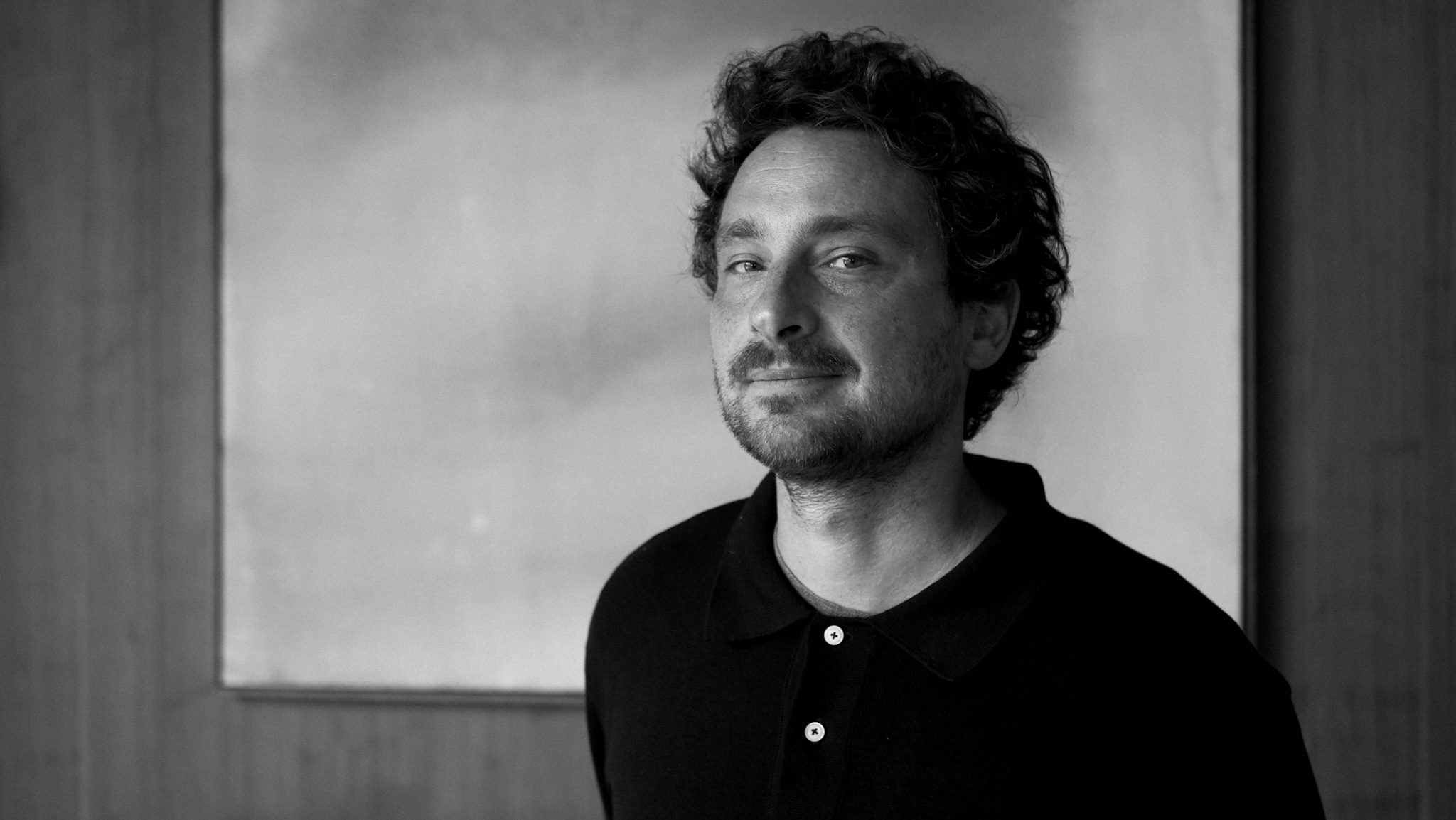
At the helm of studio 10surdix founded in Paris in 2013 with Marion Steinmetz and Guillaume Koenig, Mathieu Steinmetz has redefined the concept of interior design with discrete and textured elegance.
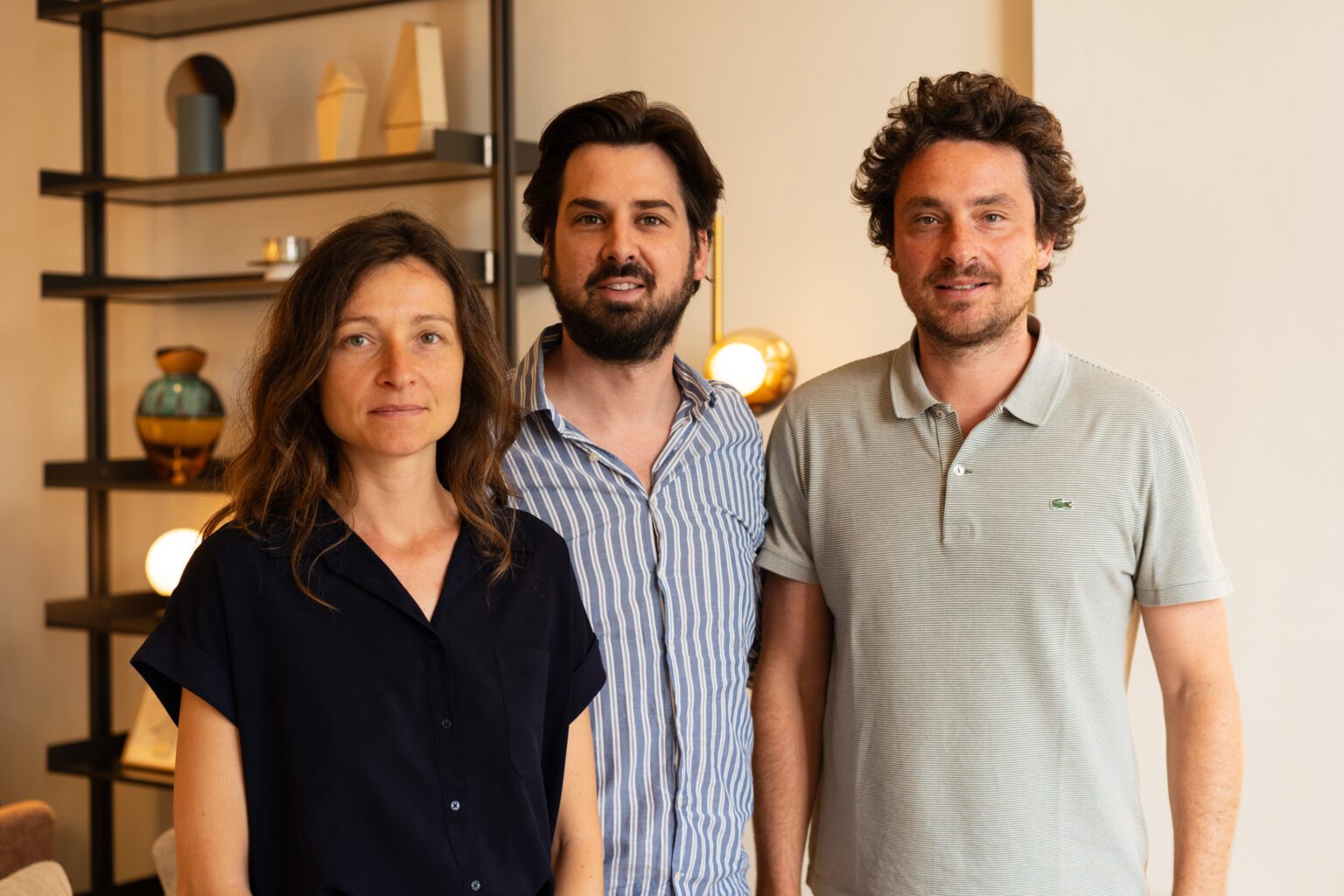
A self-taught designer, he took his first steps in 2004 in Strasbourg, opening a showroom dedicated to interior design and decoration, which quickly became a research laboratory for materials and visual language.
Today, Studio 10surdix, which has furnished dozens of significant homes in Paris and throughout France, embodies a tailored approach to interior architecture, where each project is deeply connected to its inhabitants.
Based in the 6th arrondissement in Paris – behind the Hôtel de l’Abbaye – the studio has gained recognition for its extraordinary attention to detail, blending iconic pieces with new proposals, and showing a particular sensitivity towards materials and craftsmanship.

We met with Mathieu to discuss his relationship with stainless steel kitchens, the dialogue established with Abimis, and how he transforms specific functional requests into spaces filled with life and beauty.
DISCOVER OUR INTERVIEW WITH ALBERTO TORSELLO TOO
How would you define your style in interior design?
It’s not always easy to put a style into words. I don’t know if I have one particular style, but I find it essential to strike a balance between styling, comfort, and functionality. In general, “beauty” is very subjective. The goal is to create a delightful atmosphere to live in.
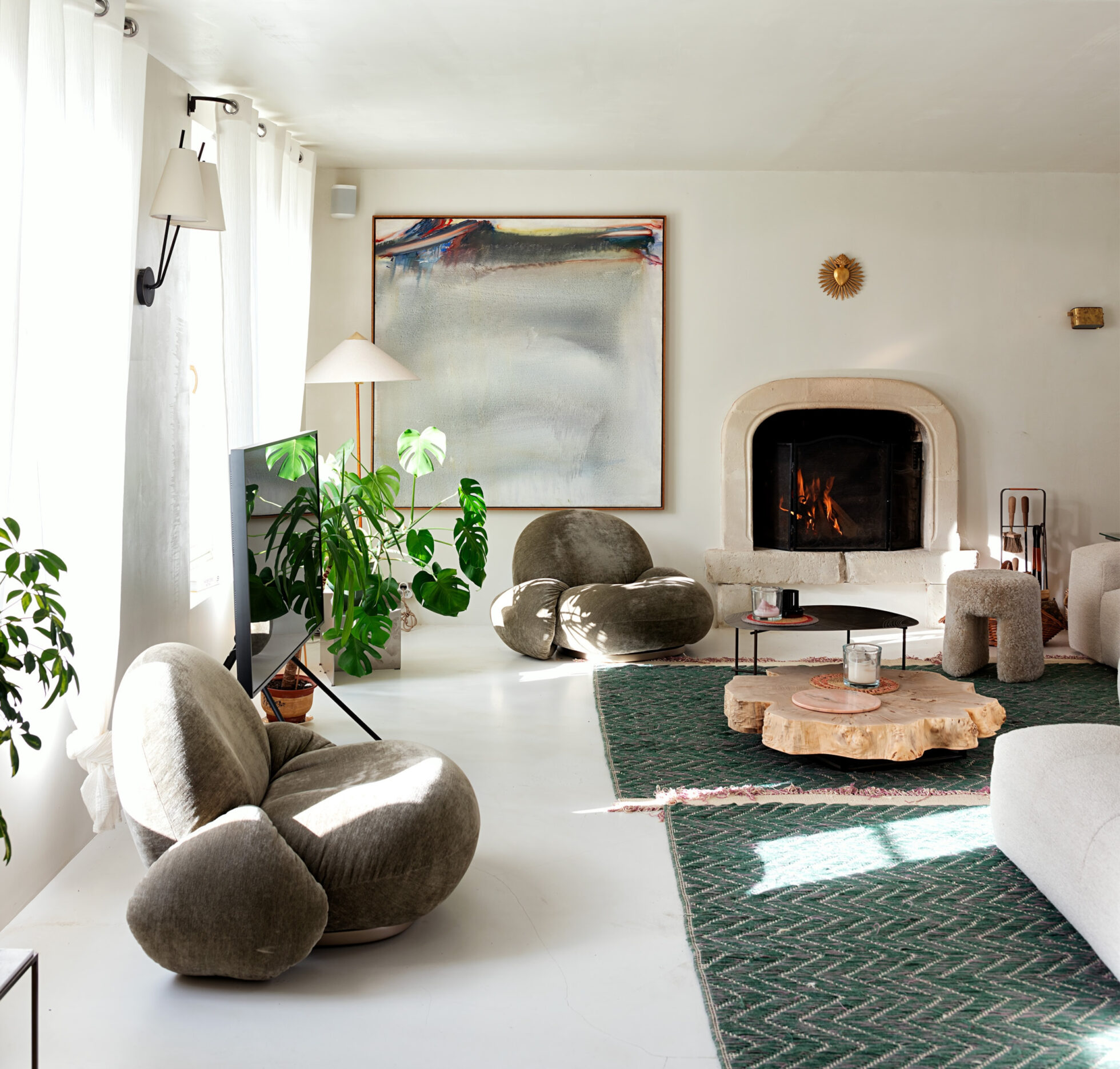
Over the years, you’ve designed homes in many different styles. But what’s the house where you live like?
Perhaps it’s a mix of all our projects? Every interior is unique and should reflect those who live in it. Personally, I like to mix some iconic pieces with works by more contemporary artists or publishers. The essential thing is that every object communicates something to me and has a function.
More specifically, how did you design your kitchen?
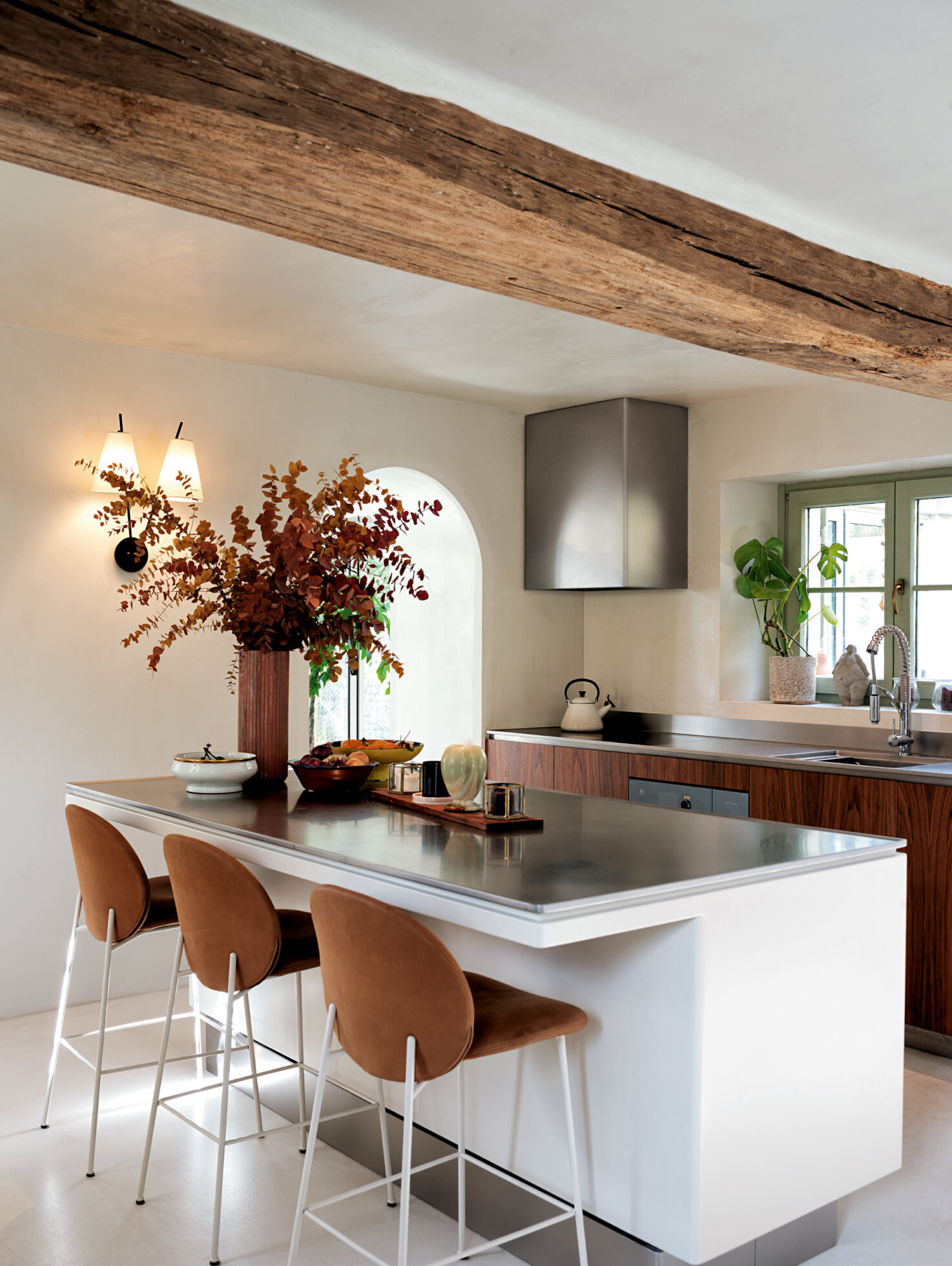
We conceived the kitchen as a functional space, but also as a decorative element capable of liaising with the overall volume of the house. It is not a hidden environment, but rather open to the living room, the hall, and the outside. It is definitely the room we spend the most time in, especially for those who – like us – love to cook.
How do you consistently interpret and translate the customer’s specific requests into each project?
It isn’t always simple, but I believe the key is to spend time with the customers, ask questions, and actively involve them truly to understand what they desire. Every project is designed for a different person or family. My role is to guide them in creating an environment that represents them. The goal is to feel good in their own home, with a pleasant and reassuring aesthetic. It is a genuine team effort.
From your perspective, what is the role of the kitchen within the home? What elements do you consider indispensable in its design?
For me, the kitchen is by far the most important room in a home. That’s where a lot happens. It needs to be functional, easy to live in, and full of life.

How many projects have you completed with Abimis?
I don’t recall the exact number, but I believe around thirty. Every Abimis kitchen tells its own story.
Can you tell us about one or two projects in detail? Were there any complex situations or unusual customer requests?
There are many anecdotes because the requests can sometimes be truly unique. I recall a beautiful project in Paris: the Ego kitchen integrated naturally with the home’s architecture.
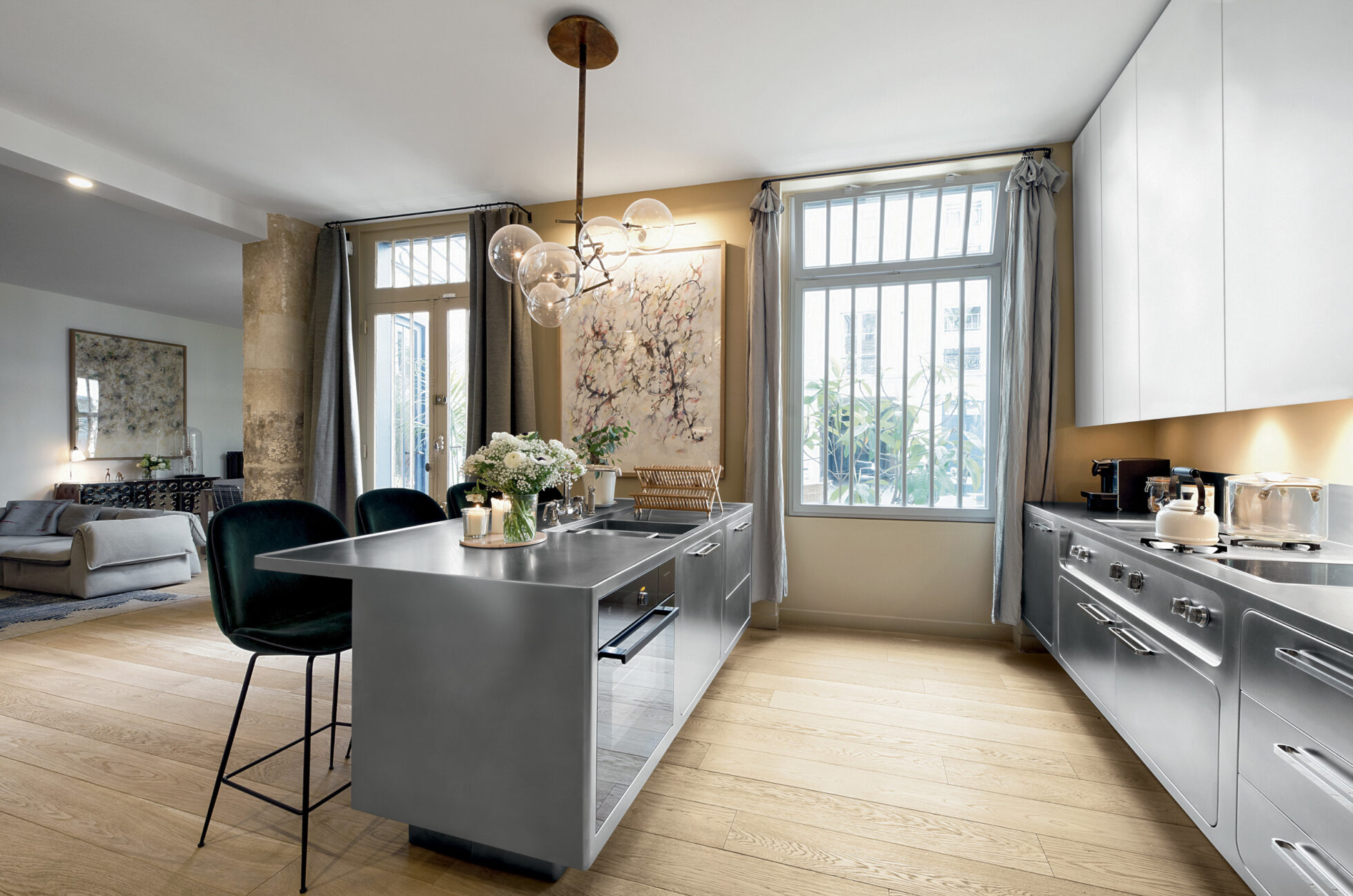
Why did you choose stainless steel kitchens for these projects?
For their quality, durability, and aesthetic value. Abimis kitchens are designed for those who truly love to cook.
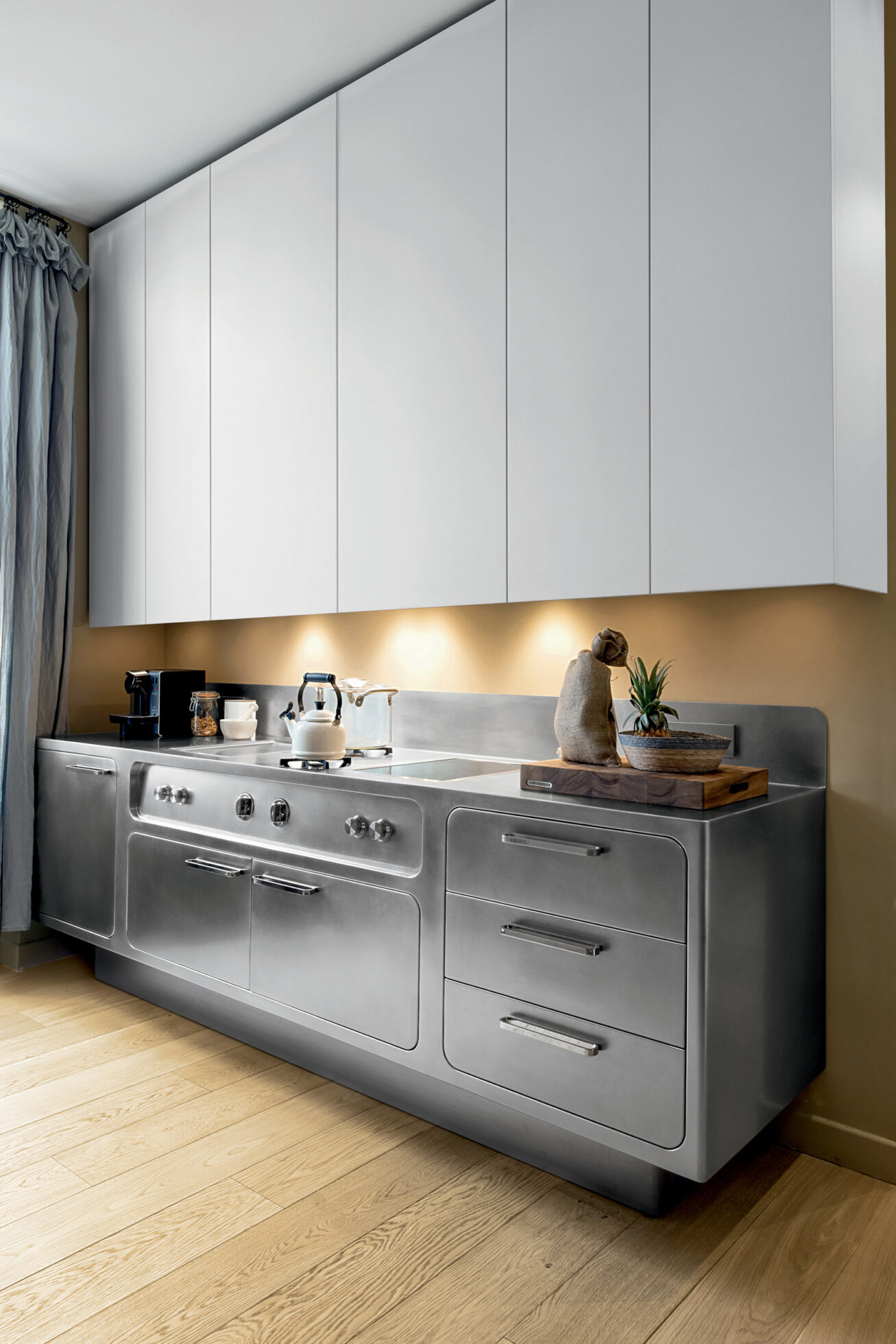
How did you discover Abimis, and why did you choose them as a partner for kitchens?
A photographer friend of mine discovered them during a shoot in Italy. He told me about them, and I immediately fell in love with the Ego system. An Abimis kitchen is truly something special.
In your opinion, what are Abimis’s distinctive strengths? Which ones do you consider fundamental for your interior design projects?
I would say flexibility. The engineering department adapts to every project to accommodate the brief and the user’s needs in the best possible way.
Lastly, how would you define Abimis in three words?
Design. Durability. Uniqueness.
Discover all the projects completed by 10surdix HERE