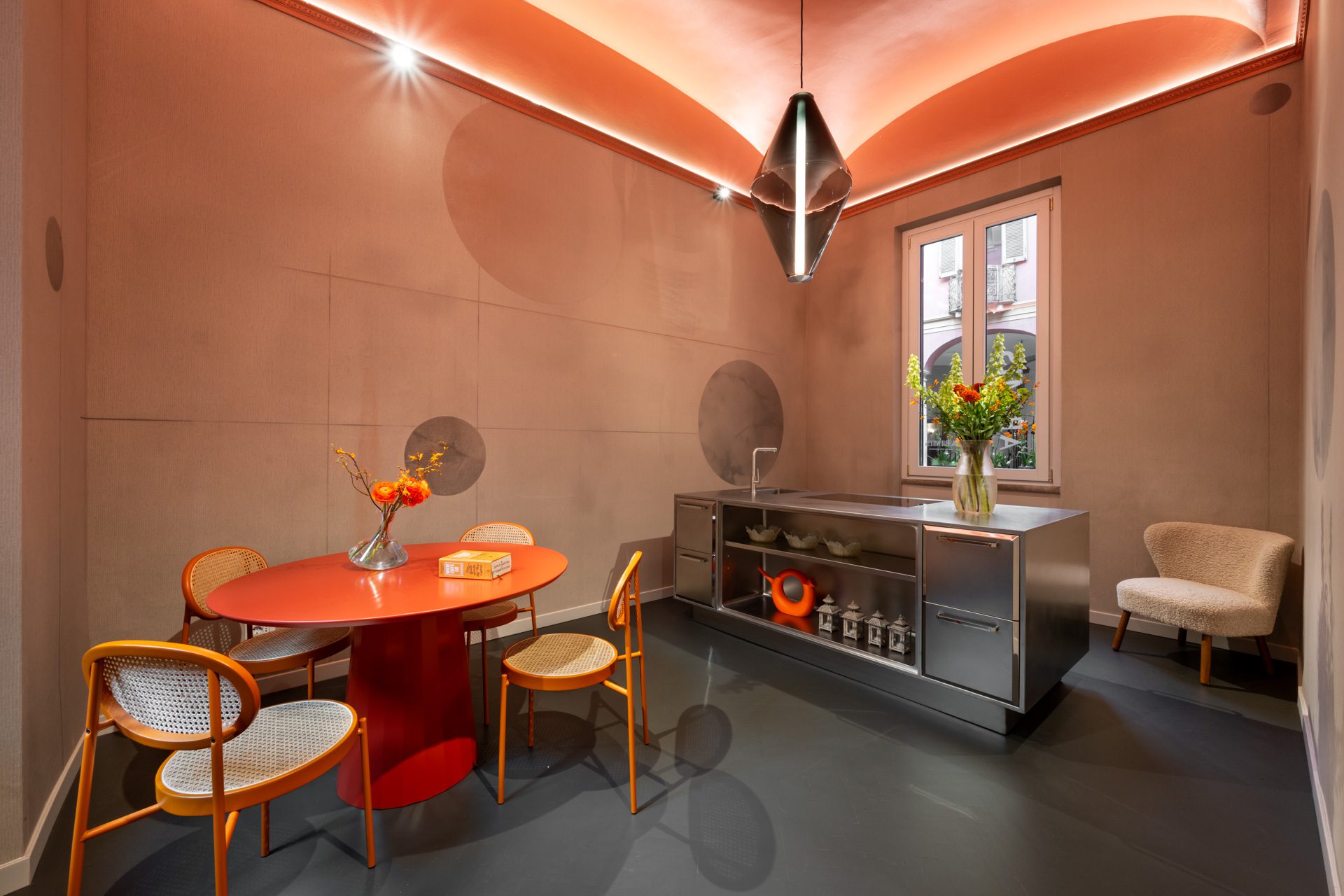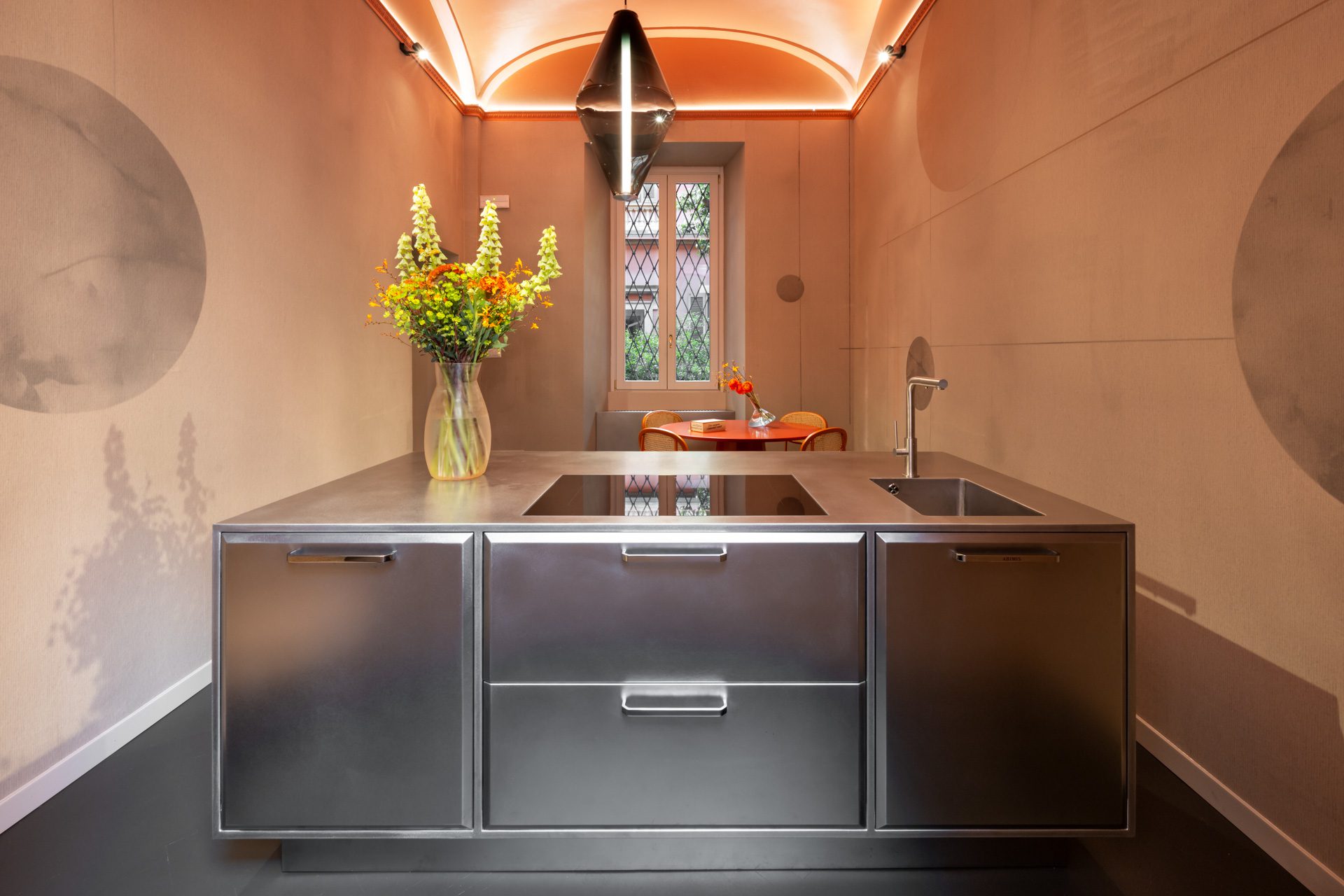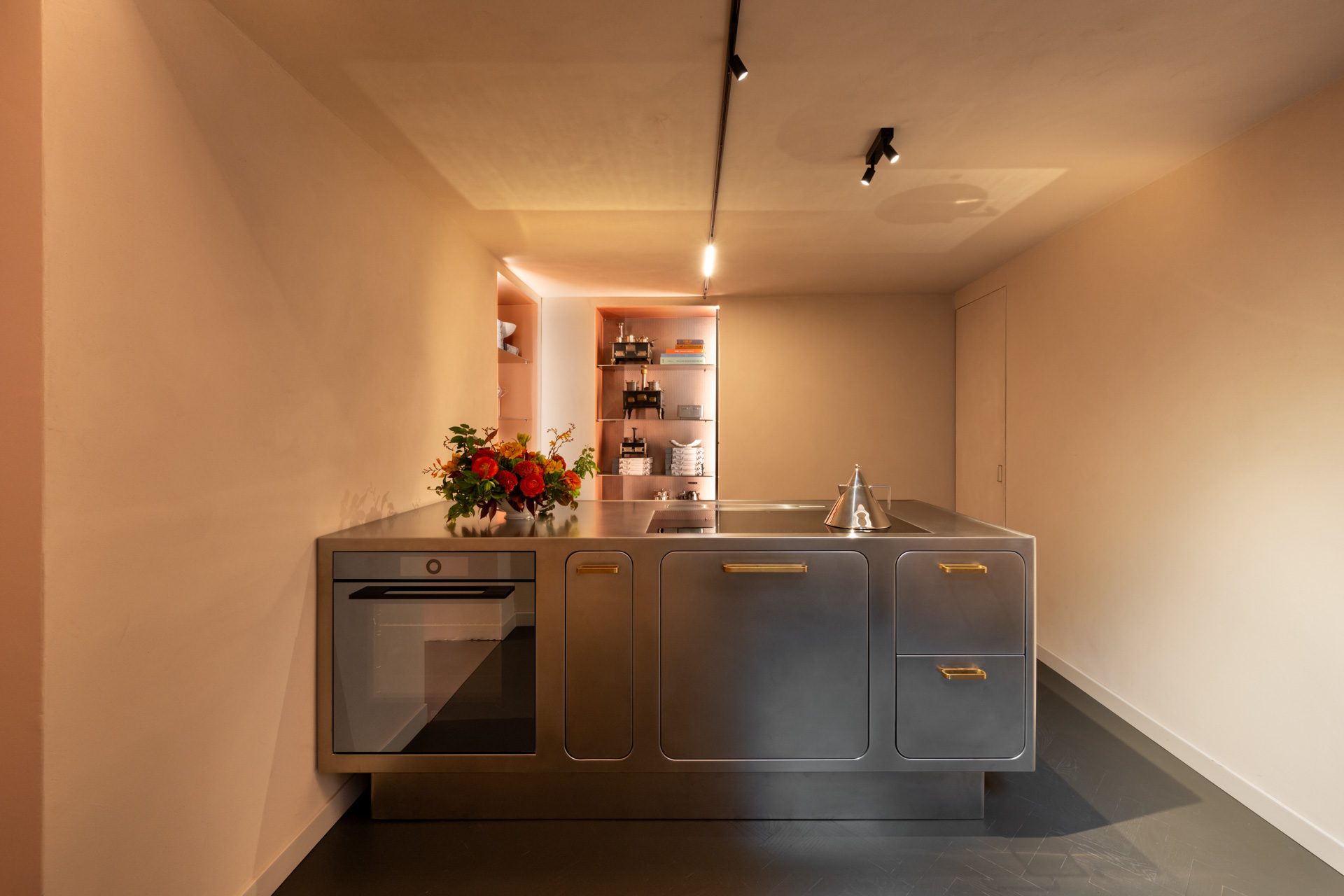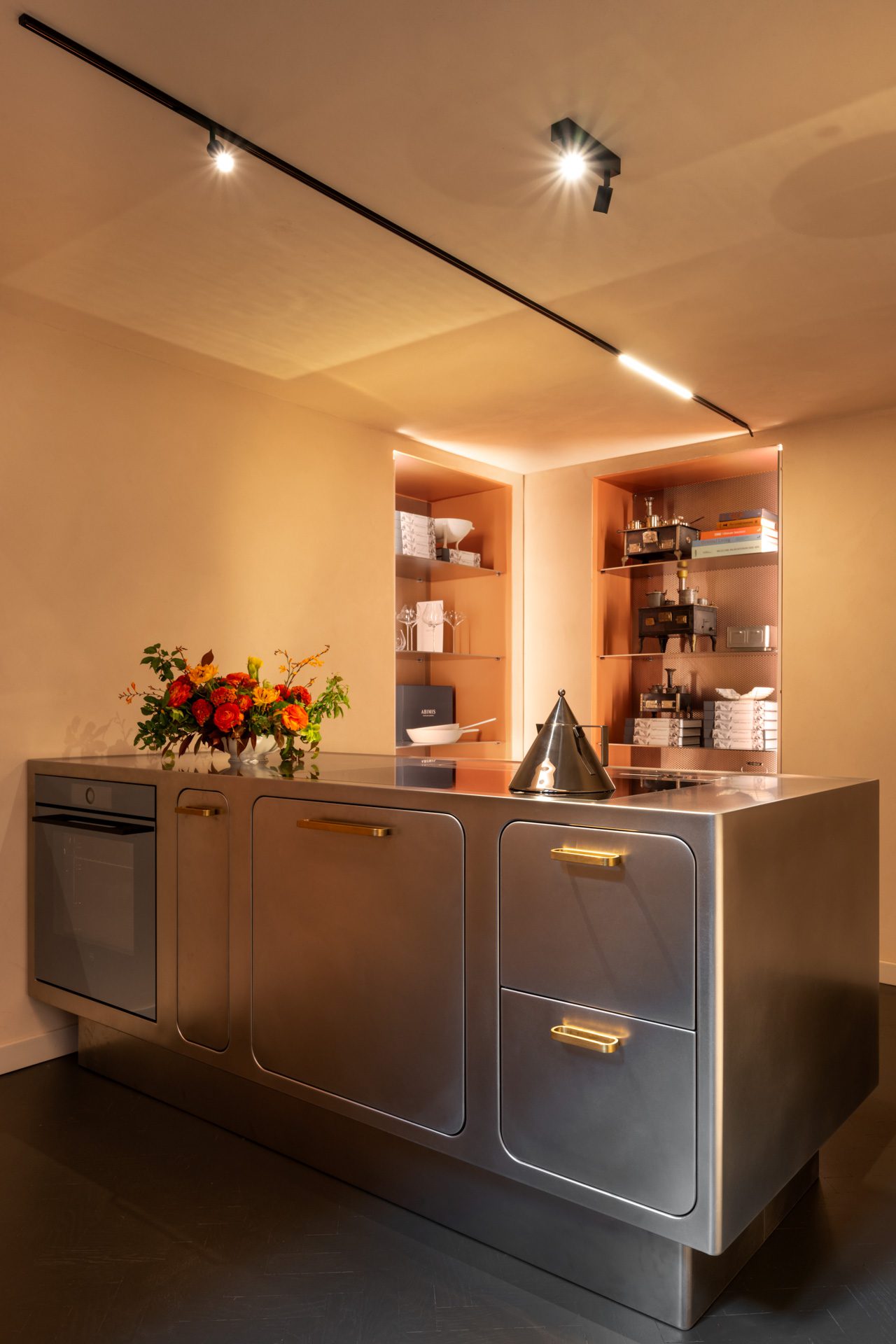
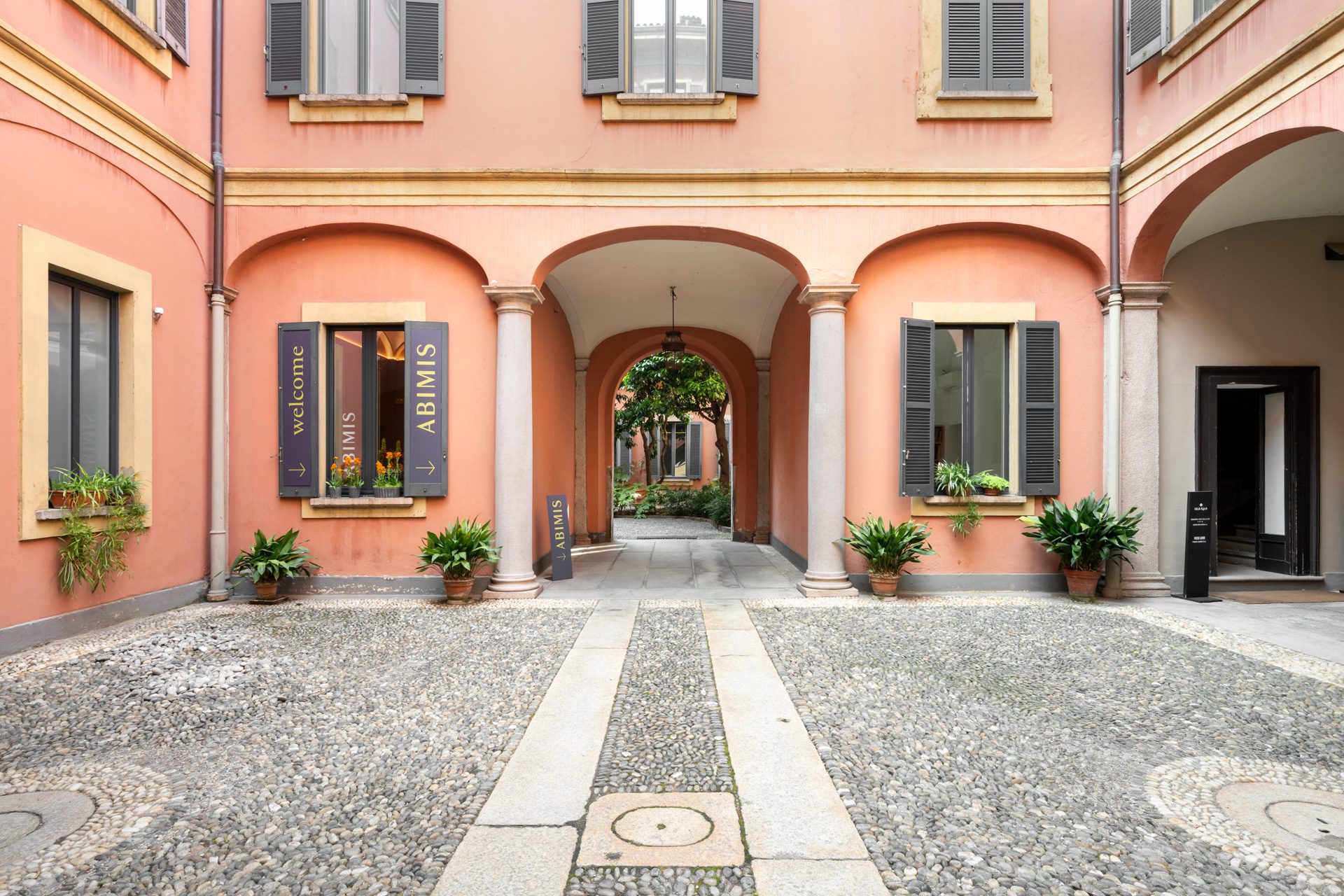
To coincide with Salone del Mobile.Milano | EuroCucina FTK 2026, Abimis has renovated its showroom, unveiling a new layout designed to express the brand’s identity and philosophy perfectly. Welcoming, warm, and authentic environments affirm the kitchen as the beating heart of the home and of conviviality.
The exhibition space has been transformed into a true “Abimis residence”: a living space capable of narrating the balance between design research, materiality, and domestic memory. The rooms, defined by enveloping tones, soft lighting, and tactile finishes, convey an intimate and cosy atmosphere, closer to that of a private home than a traditional showroom.
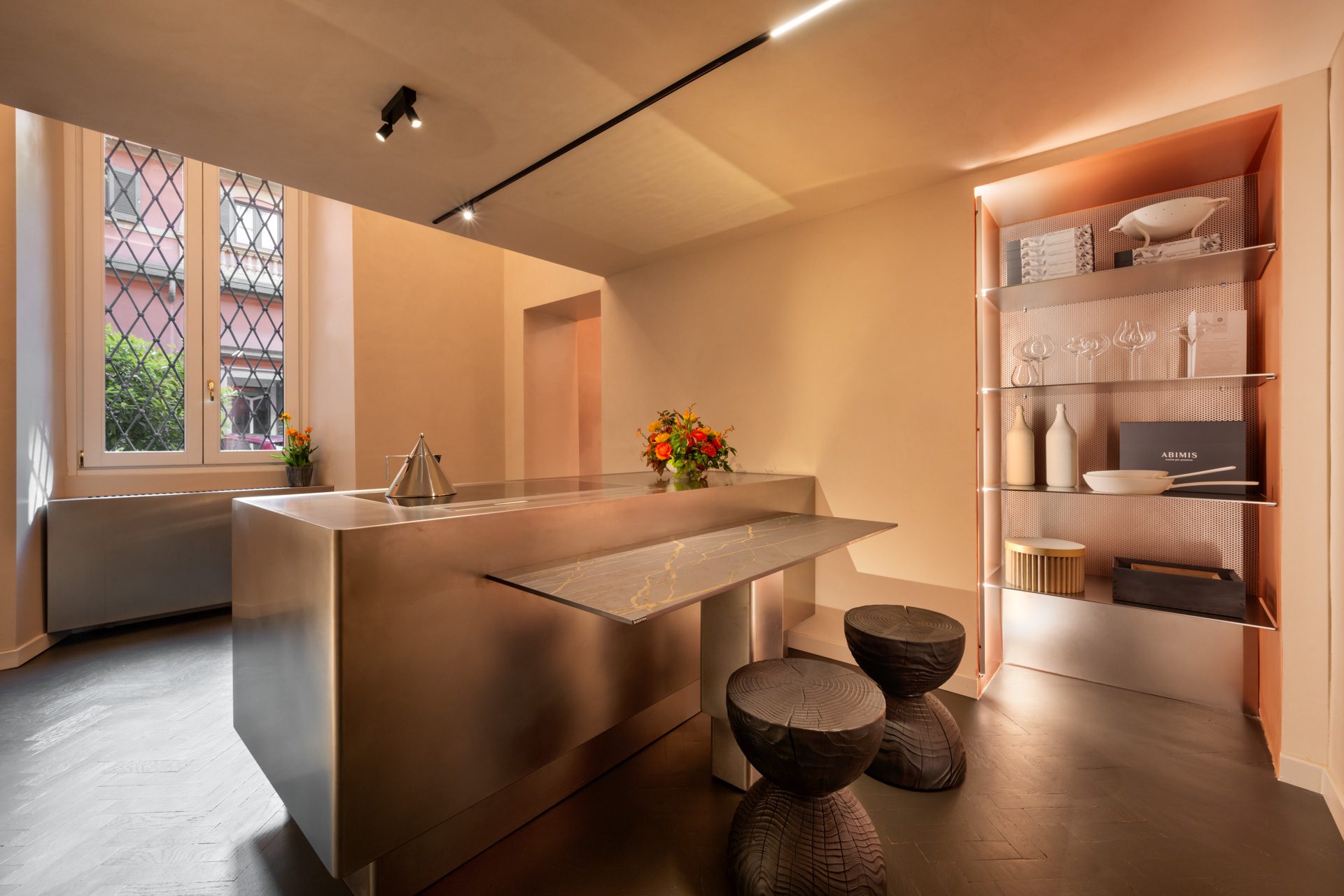
The protagonist of the renewed layout is the new TU kitchen, designed by Alberto Torsello, born from an aesthetic and functional reinterpretation of the Ego model, translated into a more essential and contemporary language. Bespoke and crafted entirely from stainless steel, TU brings professional performance into the home. In the showroom, it is presented as an island in stainless steel with an orbitally polished finish, distinguished by a central open compartment and diamond-cut doors with polished stainless steel handles.
The exhibition continues in the adjacent room with the iconic Ego, a kitchen known for its generous volumes, rounded forms, rounded flush doors, perfectly integrated into the structure, which provide a coherent and sophisticated aesthetic. It is showcased in an island configuration in stainless steel orbitally polished by hand, with satin-finish brass handles and complemented by a Portoro marble snack bar.
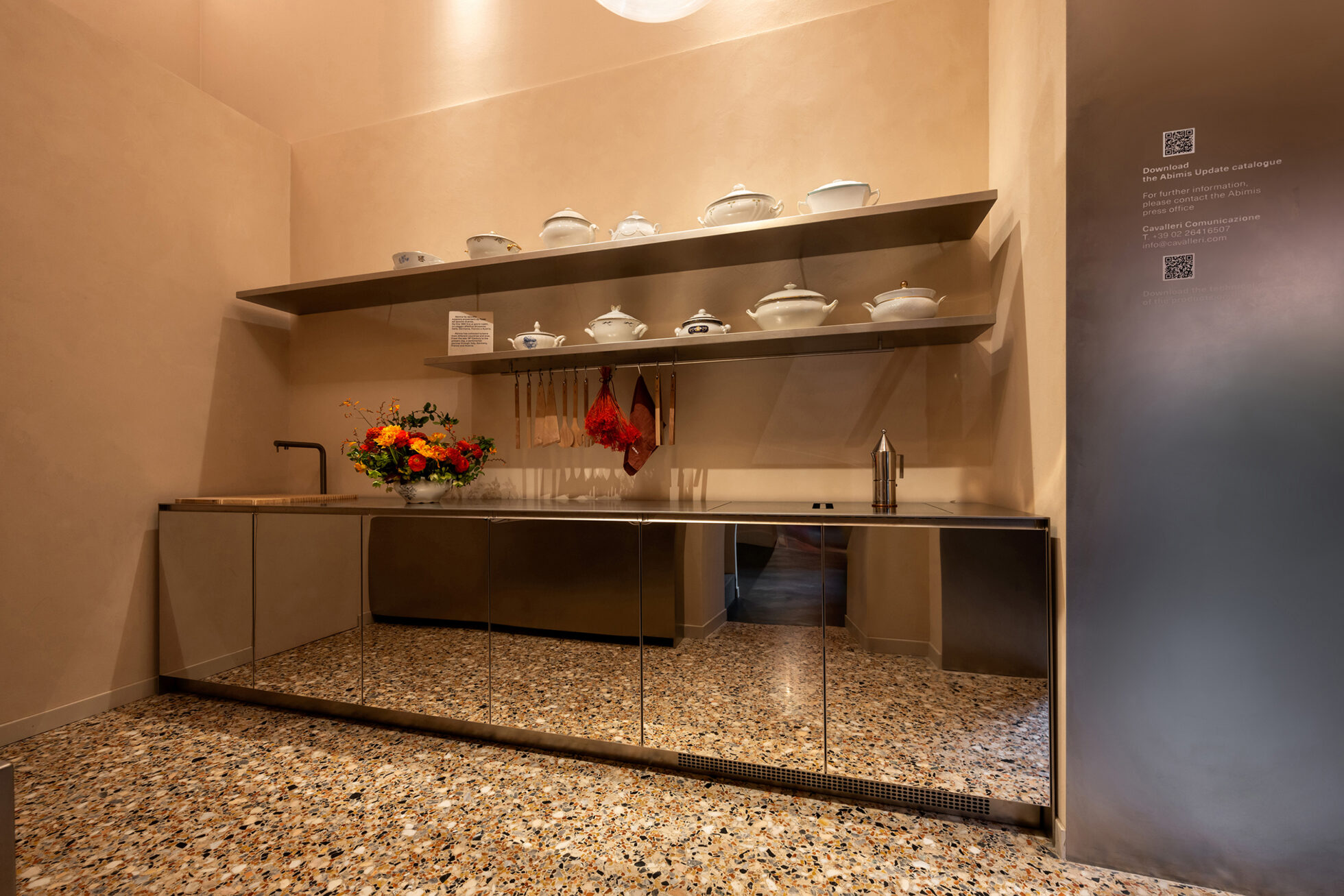
The Atelier kitchen, with its rigorous and minimal design echoing the language of professional kitchens, is presented as a wall-mounted block in stainless steel with a mirror finish.
Lastly, the display is completed by AlterEgo, the sideboard designed for both living and kitchen areas, shown here with rosewood doors.
Throughout the showroom, Abimis kitchens establish a dialogue with furnishings, objects, and decorative details that amplify their convivial and domestic character, creating a space designed for welcoming, meeting, and sharing.
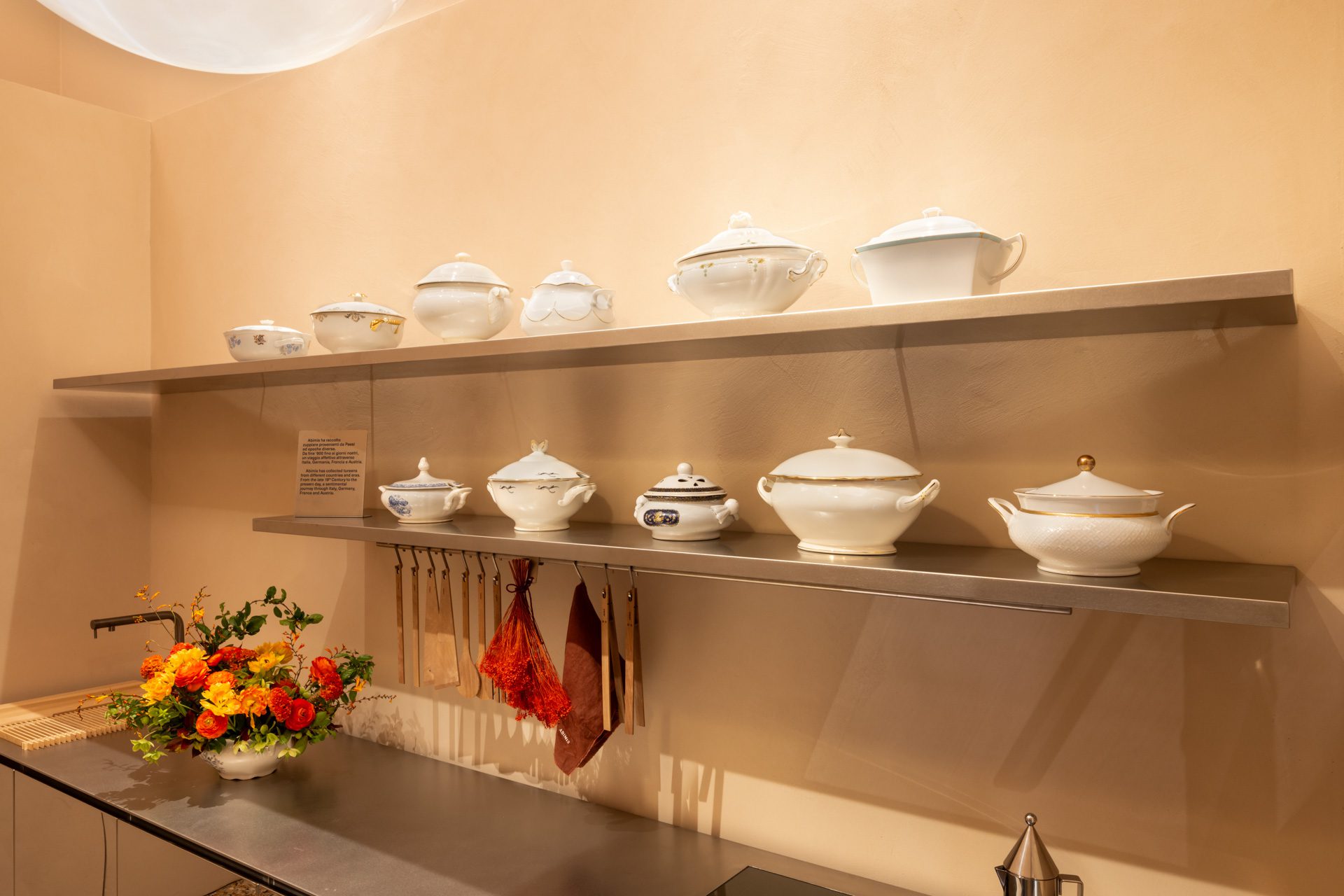
Alongside the kitchens, a special exhibition of soup tureens creates a stylistic journey through different countries (Italy, Germany, France, and Austria) and eras — from the late 19th Century to the present day.
The intent is to evoke a profound link between memory, tradition, and matter. In the Venetian culture, where Abimis is deeply rooted, the soup tureen is the symbol of the shared meal, the centrepiece of the table around which family, loved ones, and stories gather. An everyday object that safeguards the value of conviviality and the pleasure of being together.